


Chicken Token Slot Compliance Path in UK Jurisdiction

Working through the compliance journey for Chicken Coin machines in the United Kingdom isn’t straightforward. You’ll need to grasp the intricate licensing conditions imposed by the UK Gambling Commission. Operators face multiple responsibilities, including adhering to strict technical criteria and enforcing robust player protection measures. As the legal environment shifts, staying informed and adaptable becomes crucial. What strategies will you employ to ensure your activities align with evolving regulations?
Summary of Chicken Coin Machines and Their Appeal
While you might think of classic slot machines first, hen coin slots have risen in appeal, enchanting players with their playful themes and captivating gameplay.
These creative devices combine vibrant graphics and engaging soundtracks to produce engaging environments. Built on advanced gaming technology, hen coin slots often feature interactive components, boosting player engagement and enjoyment.
The use of random features and enticing bonus levels has shown effective in attracting a diverse audience, from occasional gamers to experienced players. Players enjoy the mix of retro with contemporary mechanics, as these machines provide both simplicity and excitement.
The tactical combination of fun worth and technological advancement continues to strengthen the appeal of hen coin machines in the gaming landscape.
Understanding Licensing Conditions for Businesses
As businesses move into the realm of hen coin slots, comprehending the licensing conditions is crucial for guaranteeing adherence and successful operations.
You’ll encounter various operator duties, including acquiring relevant licenses and following local regulations. The licensing obstacles can be overwhelming, as sometimes the rules may seem vague or vary greatly across jurisdictions.
It’s crucial to understand the particular criteria set by the UK Gambling Commission, as well as any extra local regulatory bodies.
This process often involves extensive documentation, demonstrating financial stability, and demonstrating awareness of player protection initiatives.
Compliance With the UK Gambling Commission Regulations
To secure compliance with the UK Gambling Commission regulations, you need to grasp the key licensing requirements and their implications for operations.
These regulations emphasize the significance of responsible gaming measures, which are vital for defending consumers and maintaining industry integrity.
Licensing Requirements Overview
Navigating the complex landscape of licensing requirements for Chicken Coin slot machines requires a comprehensive understanding of UK Gambling Commission regulations.
Following these regulations involves handling specific licensing processes and application criteria that ensure compliance. Here are important aspects you’ll need to reflect on:
- Operator License
- Machine License
- Technical Standards
- Background Checks
Grasping these elements is essential for a fruitful licensing journey and abiding by the law in the UK.
Responsible Gaming Measures
How can gaming companies guarantee responsible gaming while following UK Gambling Commission regulations?
To begin with, establishing effective player protection measures is crucial. Ensure your games include features like wager restrictions and self-ban features.
Additionally, frequently instruct staff to identify signs of gambling addiction, as this boosts your capacity to manage the psychological impact on players.
Moreover, participating in educational campaigns can promote knowledge around responsible gaming, educating players about risks and strategies for safe play.
Collaborating with groups dedicated to mental health can further boost your commitment to societal welfare.
Ultimately, cultivating a secure gaming setting not only aligns with guidelines but also creates confidence and faithfulness among your player base, strengthening a constructive gaming atmosphere.
Responsible Gaming Practices for Chicken Coin Slots
As you participate in chicken coin slots, it’s important to comprehend the role of player education initiatives in fostering informed decision-making.
These programs equip you with information about gameplay and risks, boosting your overall experience.
Additionally, self-exclusion tools provide crucial tools for staying in charge, allowing you to set boundaries that support safe gambling habits.
Player Education Initiatives
While the enthusiasm of Chicken Coin slots can be enthralling, it’s important for players to participate in secure gaming behaviors to ensure a protected and fun experience.
Putting in place successful player engagement strategies can greatly enhance awareness. Here are four important educational resources you should take into account:
- Gameplay Limit Tools – Utilize features that define deposit and wager limits.
- Self-Assessment Tools – Take advantage of online quizzes to analyze your gaming habits.
Self-Exclusion Mechanisms
Self-exclusion tools provide an essential option for players seeking to take control over their gambling habits, especially with Chicken Coin games.
Utilizing self-exclusion processes efficiently allows you to set voluntary restrictions on your access to gambling. This enables you to make informed decisions about when and duration to limit your play.
By utilizing these methods, you can reduce the dangers of excessive gaming and safeguard your mental health. Providers are required to uphold these self-exclusion policies, making sure that once enacted, your request is honored and applied across gaming platforms.
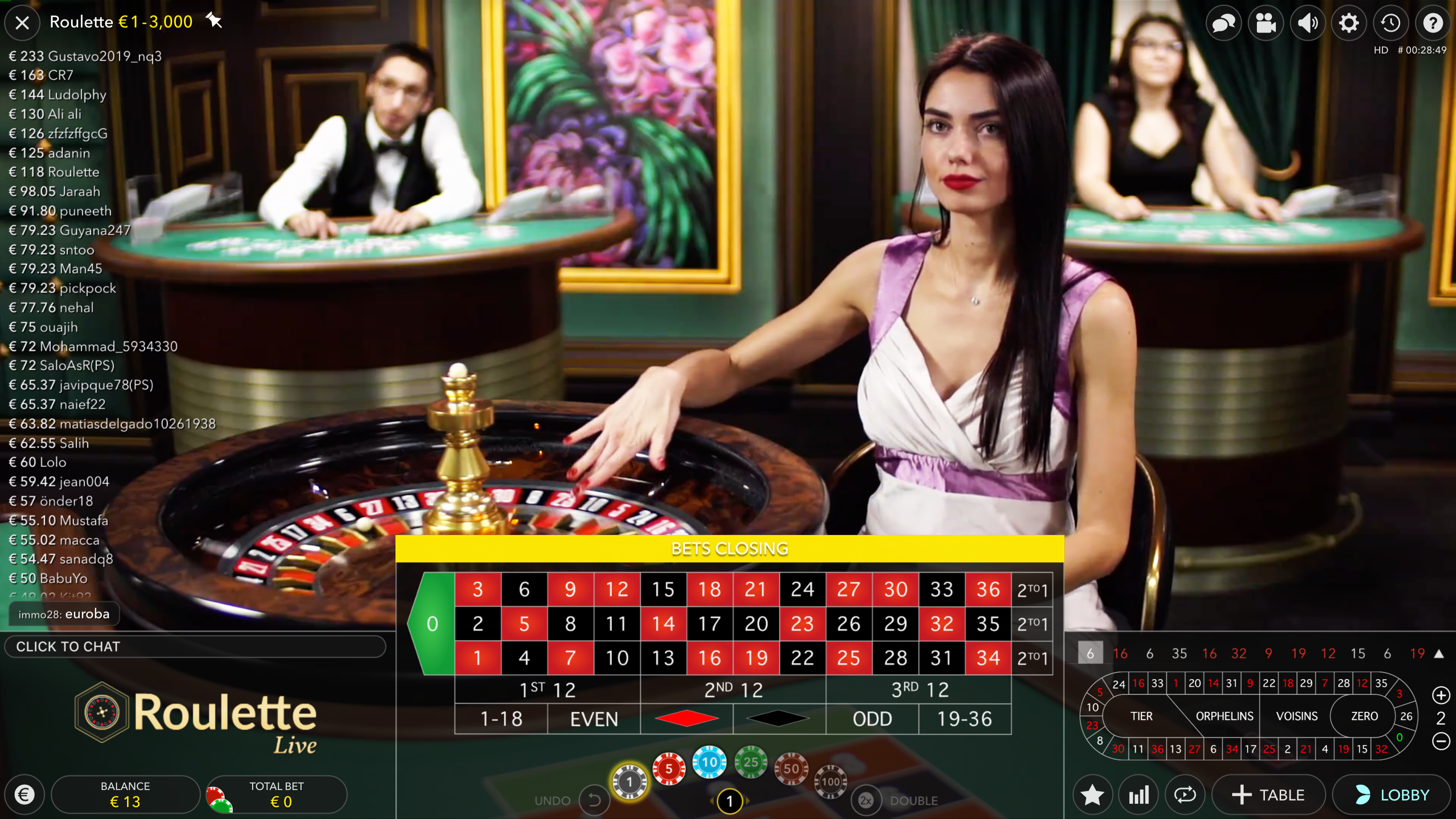
Understanding and employing these mechanisms provides a organized approach to ensuring responsible gaming habits and contributes to a better gaming environment.
The Role of Player Protection Measures
Player protection strategies have an crucial part in fostering a secure gaming environment, ensuring that individuals can participate safely with gambling like Chicken Coin games. These measures not only improve player security but also promote risk awareness, allowing players to take educated choices.
- Age Verification
- Deposit Limits
- Reality Checks
- Access to Resources
Future Trends in Chicken Coin Slot Compliance
As the gambling industry progresses, ensuring compliance in networks like Chicken Coin Slot is increasingly important.
You’ll need to stay ahead of upcoming innovations that could alter player engagements and compliance standards. For instance, Chicken Coin Slot Legal, blockchain can enhance transparency and traceability, while AI technologies could help monitor player conduct more efficiently.

Additionally, you should ready for regulatory changes that prioritize improved consumer safeguarding and ethical casino practices.
Adapting to these developments requires not just an grasp of rules but also the ability to implement novel compliance methods.
Leveraging data insights, you can predict patterns and make informed decisions to ensure compliance, ensuring that Chicken Coin Slot conforms with both compliance expectations and player demands in a dynamic landscape.
Frequently Asked Questions
What Penalties Exist for Non-Compliance With UK Regulations?
If you don’t conform with UK regulations, you could experience several forms of punishment, including penalties, license withdrawal, or business suspensions. Execution actions are strict, ensuring adherence to standards and safeguarding public interests.
How Are Player Disputes Resolved in Chicken Coin Slots?
Player disputes in chicken coin slots typically go through a organized dispute settlement process. You can lodge grievances to the provider, who assesses them, or advance to external bodies for fair arbitration if not settled sufficiently.
Can Anyone Operate Chicken Coin Slots in the UK?
You can’t just operate chicken coin slots in the UK; you must conform with permit requirements and business guidelines set by officials. Ensuring compliance to these regulations is vital for legal and successful management.
What Are the Age Restrictions for Playing Chicken Coin Slots?
You’ve got to be at least 18 to play slots with chicken coins. Age verification’s essential in promoting accountable gaming, ensuring players are of legal age and preventing underage gambling, which is critical for regulatory compliance.
How Often Should Operators Undergo Compliance Audits?
Operators should undergo compliance audits frequently, ideally once a year, to guarantee adherence to regulations. Engaging external auditors can provide an unbiased analysis, helping you identify areas for improvement and maintain compliance frequency essential for operational integrity.